
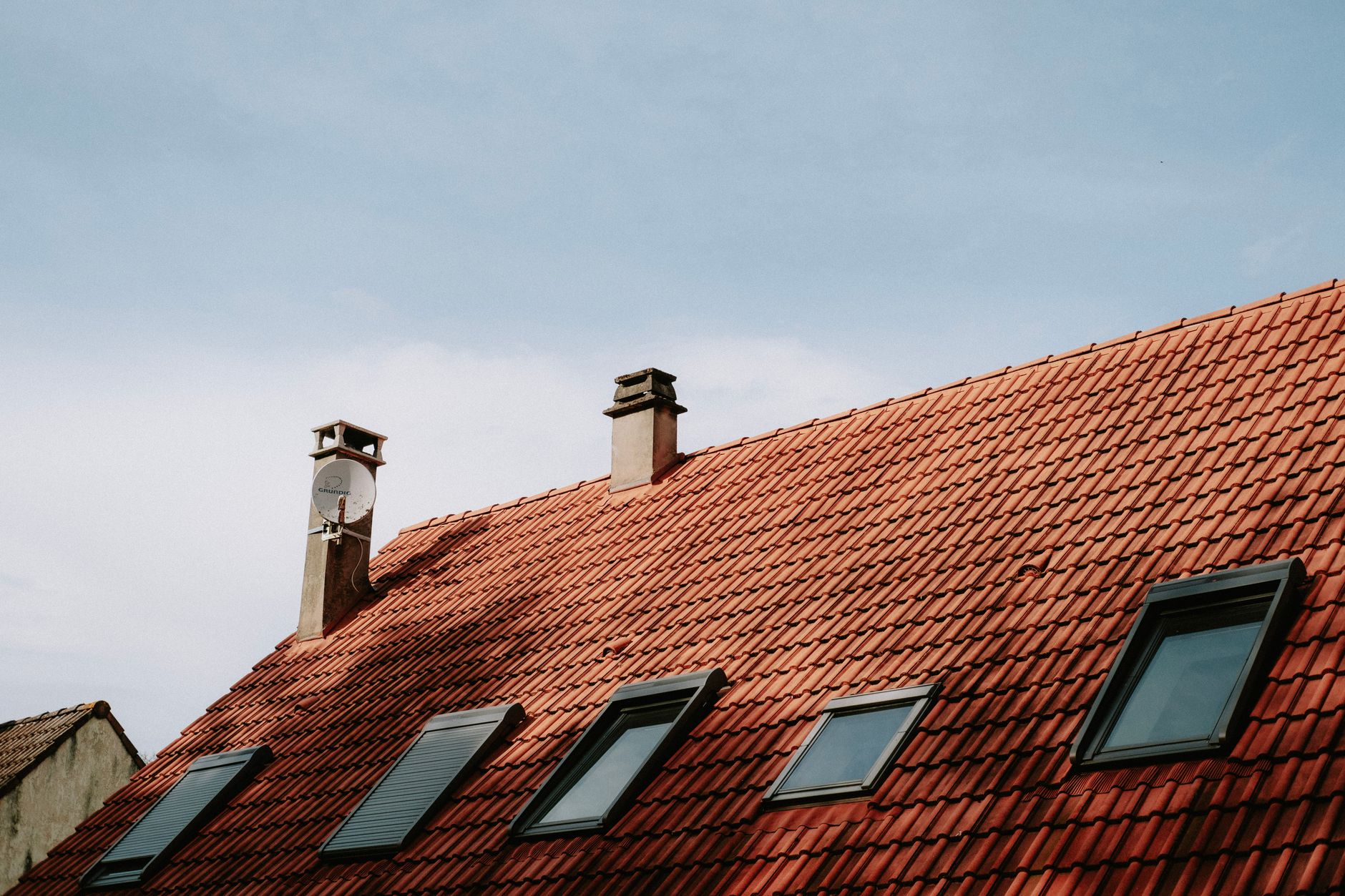
Chimney Repair in Placentia for Masonry That Has Shifted
Ask About Chimney Repair
Give the address and a line on the crack, lean or fault. We ring back with the visit that fits and book it.
In Brief
Most chimney damage around here comes back to movement: a quake, settling soil, or years of heat and cold working at the same joint. We first find which part moved and why, then repair in the order that keeps people and the roof safe. Small items such as a crown crack or a few open joints take one visit. Larger work gets a written scope and price that you approve before anything starts.
Movement Shows Up First at the Joints
A brick chimney is a stack of small pieces held together by mortar, and every time the ground shakes, those pieces try to move on their own. The mortar gives first. Around Placentia we see hairline cracks that follow the joints in a stair pattern down the side of the stack, flue tiles that have slipped a fraction off one another, and crowns split from a corner to the flue. On their own, many of these are small. The trouble is what follows: water. A crack that opens in a quake lets rain into the brick each winter, the wet brick weakens, and the next shake finds a chimney with less holding it together. Repair work breaks that chain. Sealing or rebuilding the top, repointing the open joints and dealing with damaged tile keeps water out, and keeping water out is what lets the masonry take the next jolt without coming apart. That is the order we think in, and the order we write the quote in.
The same symptom can come from different places, so we trace before we price. A stain on the ceiling near the fireplace might be a split crown, failed flashing, or brick drinking in rain like blotting paper. A rattle of debris in the firebox might be a loose tile or a nest. We follow it back, then write up the repair with the reasoning so you can see why that piece and not another. Typical work includes cutting out and repointing joints, swapping spalled or broken brick, recasting or sealing the crown, resetting or replacing the cap, renewing flashing and repairing the smoke chamber. When the damage is past repair, for example when the upper stack has shifted off its base or the brick is loose right through, the honest answer is a partial rebuild. We say that in the first conversation rather than selling you a patch that will be back on the list after the next wet season.
How the Figures Are Set
Every repair gets its own line and its own figure, written down before any work begins, and you can take them in whatever order suits your budget. We rank them by safety first and the life of the chimney second. A loose brick above a walkway or a crack running into the flue goes to the top. A crown that is starting to craze but still sheds water can wait a season if it has to. The work behind each figure depends on access, how high the chimney stands above the roof, how much brick or tile is affected and what has to be matched. Of those, the spread of the damage is the biggest unknown until we are standing beside the stack, and that is why most repairs on this page carry no published price. Leak tracing and repair is the exception: its range is $570 to $3,400, and the leak page explains where in that band a job tends to land.
If you are selling or buying, the repair list often arrives through an inspection report someone else wrote. We can work from it, but we look at the chimney ourselves before putting a number on anything, because a general inspector's note that says cracks were observed and a specialist should look does not say how deep the problem goes. For a seller, a clear scope with the reason behind each item shortens the conversation with the buyer. For a buyer, it turns a vague line into a number you can negotiate with. Our page on up-to-code repairs explains how we stage work so the urgent items come first and the rest can be planned. On older chimneys in Placentia and the neighboring cities of Yorba Linda, La Habra and Anaheim, crown damage, open joints at the roofline and loose flashing often travel together, for the reasons given above, and pricing them as one job saves a second trip up the ladder.
The Cordell Chimney Works Approach
Cause First
We find what moved or failed before naming a fix
Risk Ranked
Unsafe items listed ahead of the ones that can wait
Written Price
Published prices for set visits, a written scope for the rest
Photo Record
Each finding and each finished repair photographed
Chimney Repair: city pages
The pages below cover this job in the cities we serve most, with notes on local housing and the faults we meet there.
CA
Chimney Repair in Placentia
60% of houses here are pre-1980, an age when a fireplace usually meant brick or block laid by hand. Mortar that old has absorbed years of small jolts, so we begin where the stack meets the wall.
Open this pageCA
Chimney Repair in Yorba Linda
Behind most stucco walls here sits a factory-built or gas unit; custom houses are the exception, carrying real masonry. A tall custom brick stack has the most weight to swing, so lean and mortar get our hardest look.
Open this pageCA
Chimney Repair in La Habra
Citrus and avocado once; tract streets came next, fifties through seventies. 77% of homes now predate 1980, and soft old mortar is where a quake starts its cracks.
Open this pageCA
Chimney Repair in Anaheim
Under half the units are detached, and the tracts lean on factory-built metal fireboxes. Metal does not crack like brick; it slips at the seams, so our check follows each joint of the flue rather than stopping at the cap.
Open this pageMore Chimney Work
Chimney Sweep
Flue brushed and vacuumed from the firebox up, with the bare tile joints and smoke chamber read for movement once the soot is off.
Read more →Chimney Inspection
A structural read of the chimney from crown to firebox: cracks, lean, gaps at the wall and the state of the flue inside.
Read more →Fireplace Inspection
Shift in the masonry checked from inside the room: firebox, damper, hearth and surround for the cracks and gaps that show the masonry has shifted.
Read more →Fireplace Repair
Cracked firebrick, a hearth that has dropped, a binding damper or smoke rolling into the room, traced to the part that failed.
Read more →Chimney Level 2 Inspection
Every flue joint filmed on camera, plus attic and roof checks, booked after a quake, a chimney fire or before a sale.
Read more →Chimney Cap Installation
A stainless cap fastened to the crown or flue tile, keeping rain off cracked masonry and sparks inside the flue.
Read more →Chimney Flashing Repair
New base, step and counter metal where the stack meets the roof, laid so chimney and roof can shift without tearing it open.
Read more →Chimney Masonry Repair
Stacks rebuilt joint by joint: repointing, brick replacement and crack repair on chimneys that have shaken loose, settled or weathered past their mortar.
Read more →Chimney Rebuilds
Stacks that lean, rock or cracked through in a quake, taken down to firm brick and laid back with steel and a new crown.
Read more →Fireplace Cleaning
Firebox, glass doors and hearth face cleared of ash, soot and stains, with cracked brick pointed out once it is clean.
Read more →Gas Fireplace Cleaning
Burner, pilot and glass cleaned on gas units, with the vent and gas connector looked at for strain after the house has moved.
Read more →Gas Fireplace Repair
No flame, a flame that quits, or a remote that does nothing: the gas unit is tested part by part before anything is swapped.
Read more →Fireplace Remodel
Refaced fronts, mantels and hearths or a switch to gas, started only once the firebox and flue behind them check out.
Read more →Fireplace Inserts
A sealed unit placed in the existing firebox with its own liner to the top, so the fireplace heats instead of losing air.
Read more →Pellet Stove Repair
Error codes, a cold burn pot or a jammed auger traced to the failed part, with the exhaust pipe cleaned and its joints checked.
Read more →Wood Stove Repair
Worn gaskets, warped baffles, cracked firebrick and loose stovepipe joints put right so the stove burns the way it was built to.
Read more →Gas Logs
Ceramic log sets for a firebox you no longer want to load with wood, fitted after the flue, valve and gas line check out.
Read more →Chimney Seismic Retrofit
Bracing, straps or a lighter rebuilt top for a brick chimney that would otherwise be the first part of the house to fall.
Read more →Chimney Crown Repair
Cracked or crumbling chimney tops sealed or poured new, pitched to shed water and kept free of the flue tile so it can move.
Read more →Dryer Vent Cleaning
Lint cleared from the dryer duct end to end, with the outside hood and any crushed or loose joints found along the way.
Read more →Chimney Liner Installation
A stainless liner run through a cracked or oversized flue, so hot exhaust never touches the damaged tile behind it.
Read more →Chimney Leak Repair
Water at the ceiling, wall or firebox traced to the crack, joint or metal letting it in, then repaired at that point.
Read more →Chimney Waterproofing
A breathable water repellent on brick that has already been repaired, so rain stops soaking into the stack between quakes.
Read more →Chimney Damper Repair
Dampers that will not open, will not close or have rusted loose, repaired or swapped for a top-sealing model.
Read more →Chimney Chase Cover
A made-to-measure metal top for a framed chimney chase, pitched so rain runs off instead of into the framing below.
Read more →