
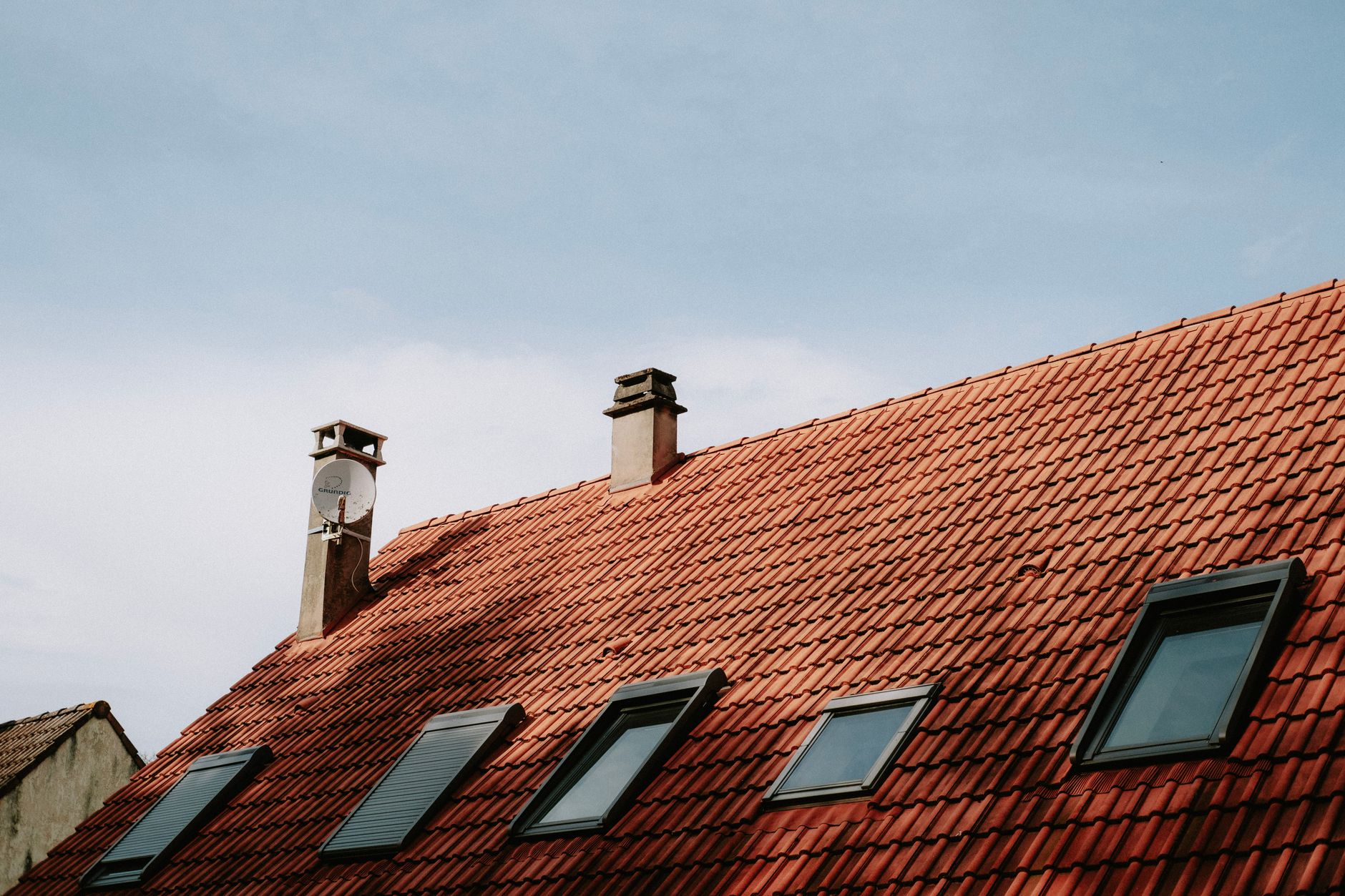
Chimney Masonry Repair in Placentia for Cracks the Ground Started
Ask About Chimney Masonry Repair
Give the address and a line on the crack, lean or fault. We ring back with the visit that fits and book it.
In Brief
Mortar is the part of a brick chimney meant to give way first, so after enough heat, rain and shaking the joints go sandy and bricks begin to rock. We rake out failed joints, repoint with a mix no harder than the brick, replace spalled units and close stepped cracks. If the brick above the roof moves under a hand push, we tell you that repair alone will not hold it and price a rebuild.
Reading the Cracks
Masonry is good at carrying weight straight down and poor at being pushed sideways, which is exactly what a quake does to a chimney. The damage leaves a pattern, and the pattern tells us how the chimney moved. A crack that steps up through the mortar joints, running sideways along one course and up through the next, means the stack has been racked out of square. A level crack running right around the chimney a few courses above the roof means the top section rocked on the part below. A vertical crack through brick and mortar alike, or a gap between the chimney and the wall of the house, suggests the chimney has pulled away from the house or settled on its footing. Each of these points to a different repair. Stepped cracks in sound brick can be repointed. A level break above the roof is a weak hinge that needs more than mortar. A gap at the wall needs a look at the footing and any ties before anything is filled.
Water makes all of it worse. Our winters are short but wet, and a crack that opened in a quake takes in rain with every storm. Wet brick that dries in hard sun flakes on its face, which masons call spalling, and wet mortar loses its binder until it can be scratched out with a key. A chimney in that state has less holding it together the next time the ground moves. So masonry repair here has two aims at once: close the paths water uses, and restore the bond between bricks so the stack acts as one piece again. Mortar choice matters for both. Older chimneys were laid in a softer, lime rich mix, and patching them with a modern hard mortar makes the joint stiffer than the brick on either side, so the next shake or swing in temperature cracks the brick instead of the joint. We match the mortar to the masonry, a small detail that decides how the repair ages.
The Work Itself, and How It Is Priced
Repointing is the core of most masonry jobs. Failed mortar is cut out with a grinder or by hand until the cut reaches firm material, the joints are cleaned and dampened, and fresh mortar is packed in layers and tooled to shed water. Done properly it is slow, and depth is what counts: a skim laid over crumbled mortar looks fine for a season and then drops out. Bricks that have spalled or split through are cut out one at a time, and the replacements are picked to sit quietly beside the old in size and shade so the patch does not stand out from the street. Where a few courses near the top have loosened, we lift them off and lay them again. Where the crown has cracked from the same movement, we include it, because a repointed chimney under a split crown will be wet again by spring. All of it is done from the roof, with the stack protected while the mortar cures.
The visible crack is usually the smallest part of the story, so no masonry figure is set until we have gone over the whole chimney. The number depends on how many joints need cutting out, how much brick needs swapping, how high the work sits above the roof, and whether the top courses are loose enough to relay. You will see each part on its own line with a short note on why it is there. Where the damage runs deeper than repointing can reach, for example a stack that has rocked off its base above the roof or brick loose right through its thickness, the quote says so and sets the rebuild option beside it, so you choose with the facts in front of you. Owners in Placentia, Yorba Linda and La Habra often learn about masonry problems through a sale report or after spotting mortar grit in the gutters. Either is a sound reason to book a look before the next rains arrive.
The Cordell Chimney Works Approach
Cause First
We find what moved or failed before naming a fix
Risk Ranked
Unsafe items listed ahead of the ones that can wait
Written Price
Published prices for set visits, a written scope for the rest
Photo Record
Each finding and each finished repair photographed
Chimney Masonry Repair: city pages
The pages below cover this job in the cities we serve most, with notes on local housing and the faults we meet there.
CA
Chimney Masonry Repair in Placentia
60% of houses here are pre-1980, an age when a fireplace usually meant brick or block laid by hand. Mortar that old has absorbed years of small jolts, so we begin where the stack meets the wall.
Open this pageCA
Chimney Masonry Repair in Yorba Linda
Behind most stucco walls here sits a factory-built or gas unit; custom houses are the exception, carrying real masonry. A tall custom brick stack has the most weight to swing, so lean and mortar get our hardest look.
Open this pageCA
Chimney Masonry Repair in La Habra
Citrus and avocado once; tract streets came next, fifties through seventies. 77% of homes now predate 1980, and soft old mortar is where a quake starts its cracks.
Open this pageCA
Chimney Masonry Repair in Anaheim
Under half the units are detached, and the tracts lean on factory-built metal fireboxes. Metal does not crack like brick; it slips at the seams, so our check follows each joint of the flue rather than stopping at the cap.
Open this pageMore Chimney Work
Chimney Sweep
Flue brushed and vacuumed from the firebox up, with the bare tile joints and smoke chamber read for movement once the soot is off.
Read more →Chimney Inspection
A structural read of the chimney from crown to firebox: cracks, lean, gaps at the wall and the state of the flue inside.
Read more →Chimney Repair
Fixes for the parts a chimney loses first under stress: cracked crowns, sandy joints, loose brick, split tiles and torn metal.
Read more →Fireplace Inspection
Shift in the masonry checked from inside the room: firebox, damper, hearth and surround for the cracks and gaps that show the masonry has shifted.
Read more →Fireplace Repair
Cracked firebrick, a hearth that has dropped, a binding damper or smoke rolling into the room, traced to the part that failed.
Read more →Chimney Level 2 Inspection
Every flue joint filmed on camera, plus attic and roof checks, booked after a quake, a chimney fire or before a sale.
Read more →Chimney Cap Installation
A stainless cap fastened to the crown or flue tile, keeping rain off cracked masonry and sparks inside the flue.
Read more →Chimney Flashing Repair
New base, step and counter metal where the stack meets the roof, laid so chimney and roof can shift without tearing it open.
Read more →Chimney Rebuilds
Stacks that lean, rock or cracked through in a quake, taken down to firm brick and laid back with steel and a new crown.
Read more →Fireplace Cleaning
Firebox, glass doors and hearth face cleared of ash, soot and stains, with cracked brick pointed out once it is clean.
Read more →Gas Fireplace Cleaning
Burner, pilot and glass cleaned on gas units, with the vent and gas connector looked at for strain after the house has moved.
Read more →Gas Fireplace Repair
No flame, a flame that quits, or a remote that does nothing: the gas unit is tested part by part before anything is swapped.
Read more →Fireplace Remodel
Refaced fronts, mantels and hearths or a switch to gas, started only once the firebox and flue behind them check out.
Read more →Fireplace Inserts
A sealed unit placed in the existing firebox with its own liner to the top, so the fireplace heats instead of losing air.
Read more →Pellet Stove Repair
Error codes, a cold burn pot or a jammed auger traced to the failed part, with the exhaust pipe cleaned and its joints checked.
Read more →Wood Stove Repair
Worn gaskets, warped baffles, cracked firebrick and loose stovepipe joints put right so the stove burns the way it was built to.
Read more →Gas Logs
Ceramic log sets for a firebox you no longer want to load with wood, fitted after the flue, valve and gas line check out.
Read more →Chimney Seismic Retrofit
Bracing, straps or a lighter rebuilt top for a brick chimney that would otherwise be the first part of the house to fall.
Read more →Chimney Crown Repair
Cracked or crumbling chimney tops sealed or poured new, pitched to shed water and kept free of the flue tile so it can move.
Read more →Dryer Vent Cleaning
Lint cleared from the dryer duct end to end, with the outside hood and any crushed or loose joints found along the way.
Read more →Chimney Liner Installation
A stainless liner run through a cracked or oversized flue, so hot exhaust never touches the damaged tile behind it.
Read more →Chimney Leak Repair
Water at the ceiling, wall or firebox traced to the crack, joint or metal letting it in, then repaired at that point.
Read more →Chimney Waterproofing
A breathable water repellent on brick that has already been repaired, so rain stops soaking into the stack between quakes.
Read more →Chimney Damper Repair
Dampers that will not open, will not close or have rusted loose, repaired or swapped for a top-sealing model.
Read more →Chimney Chase Cover
A made-to-measure metal top for a framed chimney chase, pitched so rain runs off instead of into the framing below.
Read more →