
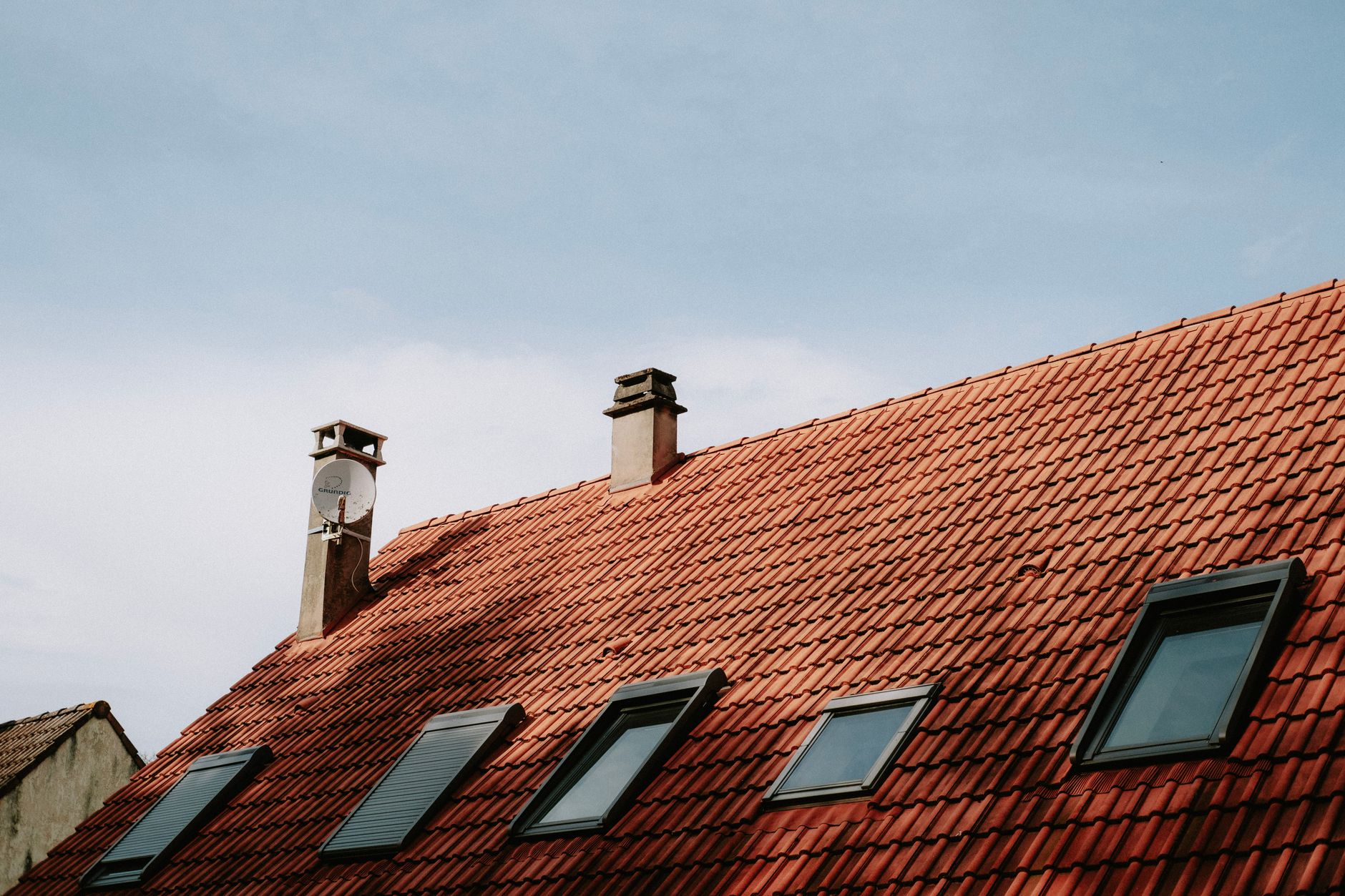
Chimney Waterproofing in Placentia for Brick That Has Been Repaired
Ask About Chimney Waterproofing
Give the address and a line on the crack, lean or fault. We ring back with the visit that fits and book it.
In Brief
Wet brick weakens even without frost: water dissolves lime from the mortar, rusts any steel and carries salts that flake the face. The repellent goes on last, after the joints, crown and flashing have been fixed. We clean the brick, let it dry, then apply a coating that sheds rain but still lets the masonry breathe. We will not coat over open joints or a cracked crown, because that only hides the damage.
Why Brick Takes On Water
Fired clay brick and the mortar around it are porous. Rain that hits a chimney face is drawn into tiny channels in the material, and a stack above the roof, exposed on four sides, takes in more of it than any wall of the house. On a chimney in good condition, a wet winter is something it shrugs off: the water goes in, dries out in the spring sun and leaves little behind. On a chimney that has moved, it is different. Hairline cracks from shaking open new routes, and every wetting reaches deeper. Wet brick loses strength, its face flakes away, and the mortar's binder slowly washes out. Each cycle leaves the masonry a little weaker for the next quake. Waterproofing interrupts that. A breathable repellent soaks a short way into brick and joints, coating each pore so rain runs off the face, while vapor from inside the masonry can still find its way out.
That last part is why the product matters. A sealer that forms a film, such as paint or a glossy coating, traps moisture inside the brick; water that gets in through a crack or from inside the chimney cannot get out, and the face of the brick pops off in sheets. A proper chimney repellent does not form a film. It leaves the brick looking much as it did, perhaps a shade darker for a while, and it keeps working for years before it needs renewing. It does not fill cracks, close open joints, seal a broken crown or stand in for failed flashing. Brushed over any of those, it keeps water out of the sound areas and does nothing for the gaps, so the leak carries on. That is why we treat waterproofing as the last step in a repair sequence, never as a stand-in for repair, and why our quote for it always lists what has to be done first.
How It Is Applied and Priced
Before quoting waterproofing, we go over the whole chimney above the roof. Cracks get sealed or repointed, open joints get repointed, a cracked crown gets repaired or replaced, loose brick gets reset, and flashing gets reset or renewed. Once the masonry is sound and dry, the repellent goes on by low pressure spray or brush, saturating brick and mortar from the top down so each area takes as much as it will absorb. We keep it off the roof covering and the cap. On chimneys that need repairs first, the repellent goes on after the new mortar has cured, which can mean a second visit. The figure is set in writing after the look, and it depends on the chimney's size and height, how much repair must come first, and whether the work is combined with a cap or crown job on the same trip, which saves you a climb and a call out.
Waterproofing makes the most sense on a chimney that has just been repaired, on a tall stack exposed to wind driven rain, and on older brick that has started to flake or show white mineral streaks from water moving through it. For owners in Placentia and Yorba Linda who have had masonry repair or a partial rebuild after quake damage, it protects that work through the wet seasons that follow. If you are unsure whether your chimney needs it, the honest answer may be not yet; a chimney with sound brick and a good crown and cap may be fine without it, and we will say so. Describe what you see on the contact page, such as flaking brick, white streaks or damp patches inside, and we will tell you whether a look is worthwhile or whether another job should come before it.
The Cordell Chimney Works Approach
Cause First
We find what moved or failed before naming a fix
Risk Ranked
Unsafe items listed ahead of the ones that can wait
Written Price
Published prices for set visits, a written scope for the rest
Photo Record
Each finding and each finished repair photographed
Chimney Waterproofing: city pages
The pages below cover this job in the cities we serve most, with notes on local housing and the faults we meet there.
That name is not on our list. Check the spelling or try the next city over.
More Chimney Work
Chimney Sweep
Flue brushed and vacuumed from the firebox up, with the bare tile joints and smoke chamber read for movement once the soot is off.
Read more →Chimney Inspection
A structural read of the chimney from crown to firebox: cracks, lean, gaps at the wall and the state of the flue inside.
Read more →Chimney Repair
Fixes for the parts a chimney loses first under stress: cracked crowns, sandy joints, loose brick, split tiles and torn metal.
Read more →Fireplace Inspection
Shift in the masonry checked from inside the room: firebox, damper, hearth and surround for the cracks and gaps that show the masonry has shifted.
Read more →Fireplace Repair
Cracked firebrick, a hearth that has dropped, a binding damper or smoke rolling into the room, traced to the part that failed.
Read more →Chimney Level 2 Inspection
Every flue joint filmed on camera, plus attic and roof checks, booked after a quake, a chimney fire or before a sale.
Read more →Chimney Cap Installation
A stainless cap fastened to the crown or flue tile, keeping rain off cracked masonry and sparks inside the flue.
Read more →Chimney Flashing Repair
New base, step and counter metal where the stack meets the roof, laid so chimney and roof can shift without tearing it open.
Read more →Chimney Masonry Repair
Stacks rebuilt joint by joint: repointing, brick replacement and crack repair on chimneys that have shaken loose, settled or weathered past their mortar.
Read more →Chimney Rebuilds
Stacks that lean, rock or cracked through in a quake, taken down to firm brick and laid back with steel and a new crown.
Read more →Fireplace Cleaning
Firebox, glass doors and hearth face cleared of ash, soot and stains, with cracked brick pointed out once it is clean.
Read more →Gas Fireplace Cleaning
Burner, pilot and glass cleaned on gas units, with the vent and gas connector looked at for strain after the house has moved.
Read more →Gas Fireplace Repair
No flame, a flame that quits, or a remote that does nothing: the gas unit is tested part by part before anything is swapped.
Read more →Fireplace Remodel
Refaced fronts, mantels and hearths or a switch to gas, started only once the firebox and flue behind them check out.
Read more →Fireplace Inserts
A sealed unit placed in the existing firebox with its own liner to the top, so the fireplace heats instead of losing air.
Read more →Pellet Stove Repair
Error codes, a cold burn pot or a jammed auger traced to the failed part, with the exhaust pipe cleaned and its joints checked.
Read more →Wood Stove Repair
Worn gaskets, warped baffles, cracked firebrick and loose stovepipe joints put right so the stove burns the way it was built to.
Read more →Gas Logs
Ceramic log sets for a firebox you no longer want to load with wood, fitted after the flue, valve and gas line check out.
Read more →Chimney Seismic Retrofit
Bracing, straps or a lighter rebuilt top for a brick chimney that would otherwise be the first part of the house to fall.
Read more →Chimney Crown Repair
Cracked or crumbling chimney tops sealed or poured new, pitched to shed water and kept free of the flue tile so it can move.
Read more →Dryer Vent Cleaning
Lint cleared from the dryer duct end to end, with the outside hood and any crushed or loose joints found along the way.
Read more →Chimney Liner Installation
A stainless liner run through a cracked or oversized flue, so hot exhaust never touches the damaged tile behind it.
Read more →Chimney Leak Repair
Water at the ceiling, wall or firebox traced to the crack, joint or metal letting it in, then repaired at that point.
Read more →Chimney Damper Repair
Dampers that will not open, will not close or have rusted loose, repaired or swapped for a top-sealing model.
Read more →Chimney Chase Cover
A made-to-measure metal top for a framed chimney chase, pitched so rain runs off instead of into the framing below.
Read more →