
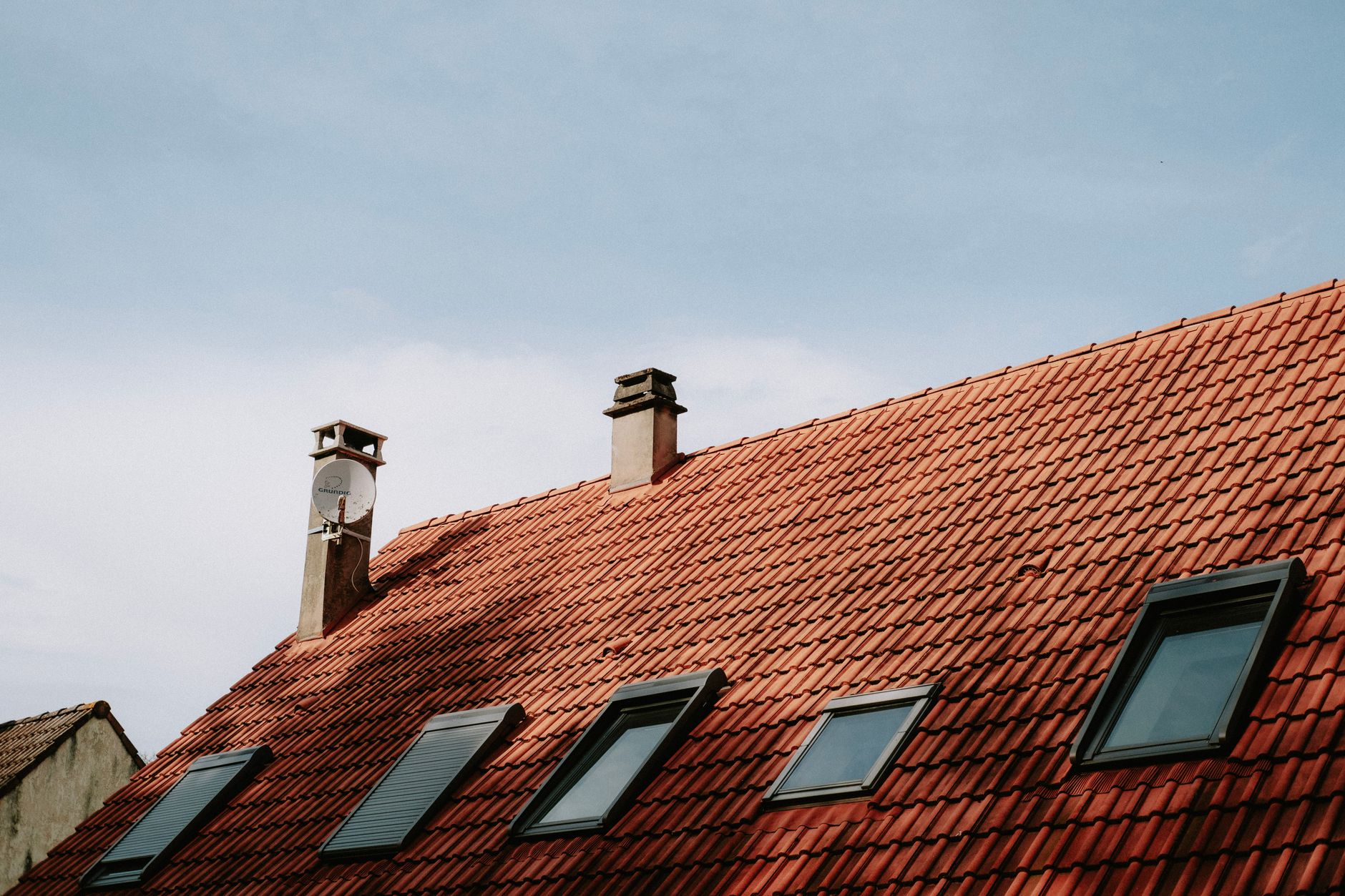
Chimney Cap Installation in Placentia That Stays Put in a Shake
Ask About Chimney Cap Installation
Give the address and a line on the crack, lean or fault. We ring back with the visit that fits and book it.
In Brief
Water is what turns a small quake crack into a large repair, and an open flue lets it fall straight in. We measure the flue tile or the crown, fit a stainless cap with spark mesh, and fasten it so wind and roof work do not shift it. We measure first and price the cap after. One round flue takes a stock cap and little time. A wide crown with several flues needs a custom top, which takes more. Flue count and metal choice drive the figure.
What Holds a Cap in Place
A cap does three jobs at the top of the chimney. Its hood stops rain falling down the open flue, water that would otherwise rust the damper and wet the brick from the inside out. Its mesh keeps out birds, squirrels and raccoons hunting for a dry hollow. And that same mesh stops glowing embers from drifting onto the roof, which matters on a Santa Ana evening when the air is dry and the wind carries whatever it can lift. What few people think about is the fastening. A cap pushed onto the tile and held by a couple of set screws can be shaken loose by a quake or worked loose by years of wind, and a loose cap either blows off or sits crooked so it no longer covers the flue. We fasten caps to suit the chimney: clamped firmly to the flue tile where the tile is sound, or anchored into the crown when the cap covers the whole top of the stack.
Before a cap goes on, we look at what it sits on. A crown cracked across from a past shake will keep letting water into the brick even with a new cap overhead, and a flue tile with a broken top edge will not hold a clamp. If either needs work, it goes into the quote so you can see the order of jobs and what each costs. Where one chimney carries two flues, say a fireplace and a furnace, the choice is between a cap on each or one larger cap spanning both, and we explain the trade for your roof. Caps come in stainless steel or copper. Stainless is the usual choice for our mix of dry summers and wet winters. Copper costs more and weathers to a brown green that some owners like against old brick. Either way, the mesh size is chosen to stop sparks without clogging quickly, since a cap that chokes the flue causes the smoking it was meant to prevent.
What Sets the Price
Fitted caps are quoted after we measure. Practical things set the price. A single round or square tile in a stock size is quick to fit. A rectangular tile in an odd size needs a cap made to match it. A crown holding several flues needs a multi flue cap built to the outside size of the crown. Copper adds to the cost, and so does a roof that is steep or high enough to need extra safety gear. We measure on the visit and give you a written figure before ordering anything. Nothing is ordered on a guess; a clamp style cap that is a fraction off rattles in the first wind. If the cap is part of a bigger job, such as a crown recast, the two are planned together so the roof only gets climbed once.
Reasons to book: no cap at all, which is common on older Placentia chimneys; a cap that has rusted through, bent, or sits crooked after wind or a quake; mesh with holes big enough for a bird; or the sound of scratching or nesting in the flue. Also after a sweep has found nest material or leaves on the smoke shelf, since they came in through the top. A cap is one of the smaller jobs we do, but on a chimney that has been through shaking it sits on the most exposed point of the structure, so the fastening and the crown are part of the job, not an afterthought. If your chimney also shows loose brick above the roofline, that changes the order of work: a cap fastened to an unstable top is wasted money. We will say so and explain what the brick needs first, then fit the cap once the top is sound enough to hold it.
The Cordell Chimney Works Approach
Cause First
We find what moved or failed before naming a fix
Risk Ranked
Unsafe items listed ahead of the ones that can wait
Written Price
Published prices for set visits, a written scope for the rest
Photo Record
Each finding and each finished repair photographed
Chimney Cap Installation: city pages
The pages below cover this job in the cities we serve most, with notes on local housing and the faults we meet there.
CA
Chimney Cap Installation in Placentia
60% of houses here are pre-1980, an age when a fireplace usually meant brick or block laid by hand. Mortar that old has absorbed years of small jolts, so we begin where the stack meets the wall.
Open this pageCA
Chimney Cap Installation in Yorba Linda
Behind most stucco walls here sits a factory-built or gas unit; custom houses are the exception, carrying real masonry. A tall custom brick stack has the most weight to swing, so lean and mortar get our hardest look.
Open this pageCA
Chimney Cap Installation in La Habra
Citrus and avocado once; tract streets came next, fifties through seventies. 77% of homes now predate 1980, and soft old mortar is where a quake starts its cracks.
Open this pageCA
Chimney Cap Installation in Anaheim
Under half the units are detached, and the tracts lean on factory-built metal fireboxes. Metal does not crack like brick; it slips at the seams, so our check follows each joint of the flue rather than stopping at the cap.
Open this pageMore Chimney Work
Chimney Sweep
Flue brushed and vacuumed from the firebox up, with the bare tile joints and smoke chamber read for movement once the soot is off.
Read more →Chimney Inspection
A structural read of the chimney from crown to firebox: cracks, lean, gaps at the wall and the state of the flue inside.
Read more →Chimney Repair
Fixes for the parts a chimney loses first under stress: cracked crowns, sandy joints, loose brick, split tiles and torn metal.
Read more →Fireplace Inspection
Shift in the masonry checked from inside the room: firebox, damper, hearth and surround for the cracks and gaps that show the masonry has shifted.
Read more →Fireplace Repair
Cracked firebrick, a hearth that has dropped, a binding damper or smoke rolling into the room, traced to the part that failed.
Read more →Chimney Level 2 Inspection
Every flue joint filmed on camera, plus attic and roof checks, booked after a quake, a chimney fire or before a sale.
Read more →Chimney Flashing Repair
New base, step and counter metal where the stack meets the roof, laid so chimney and roof can shift without tearing it open.
Read more →Chimney Masonry Repair
Stacks rebuilt joint by joint: repointing, brick replacement and crack repair on chimneys that have shaken loose, settled or weathered past their mortar.
Read more →Chimney Rebuilds
Stacks that lean, rock or cracked through in a quake, taken down to firm brick and laid back with steel and a new crown.
Read more →Fireplace Cleaning
Firebox, glass doors and hearth face cleared of ash, soot and stains, with cracked brick pointed out once it is clean.
Read more →Gas Fireplace Cleaning
Burner, pilot and glass cleaned on gas units, with the vent and gas connector looked at for strain after the house has moved.
Read more →Gas Fireplace Repair
No flame, a flame that quits, or a remote that does nothing: the gas unit is tested part by part before anything is swapped.
Read more →Fireplace Remodel
Refaced fronts, mantels and hearths or a switch to gas, started only once the firebox and flue behind them check out.
Read more →Fireplace Inserts
A sealed unit placed in the existing firebox with its own liner to the top, so the fireplace heats instead of losing air.
Read more →Pellet Stove Repair
Error codes, a cold burn pot or a jammed auger traced to the failed part, with the exhaust pipe cleaned and its joints checked.
Read more →Wood Stove Repair
Worn gaskets, warped baffles, cracked firebrick and loose stovepipe joints put right so the stove burns the way it was built to.
Read more →Gas Logs
Ceramic log sets for a firebox you no longer want to load with wood, fitted after the flue, valve and gas line check out.
Read more →Chimney Seismic Retrofit
Bracing, straps or a lighter rebuilt top for a brick chimney that would otherwise be the first part of the house to fall.
Read more →Chimney Crown Repair
Cracked or crumbling chimney tops sealed or poured new, pitched to shed water and kept free of the flue tile so it can move.
Read more →Dryer Vent Cleaning
Lint cleared from the dryer duct end to end, with the outside hood and any crushed or loose joints found along the way.
Read more →Chimney Liner Installation
A stainless liner run through a cracked or oversized flue, so hot exhaust never touches the damaged tile behind it.
Read more →Chimney Leak Repair
Water at the ceiling, wall or firebox traced to the crack, joint or metal letting it in, then repaired at that point.
Read more →Chimney Waterproofing
A breathable water repellent on brick that has already been repaired, so rain stops soaking into the stack between quakes.
Read more →Chimney Damper Repair
Dampers that will not open, will not close or have rusted loose, repaired or swapped for a top-sealing model.
Read more →Chimney Chase Cover
A made-to-measure metal top for a framed chimney chase, pitched so rain runs off instead of into the framing below.
Read more →