
Owners usually reach this question after something specific: a shake that rattled the dishes, an inspector's note about a crack near the roof, or one contractor offering steel while another offers new brick. Bracing and rebuilding are both real options for a brick chimney in Placentia, and they solve different problems. Picking the wrong one either wastes money or leaves the weak part where it was.
What actually gives way in a quake
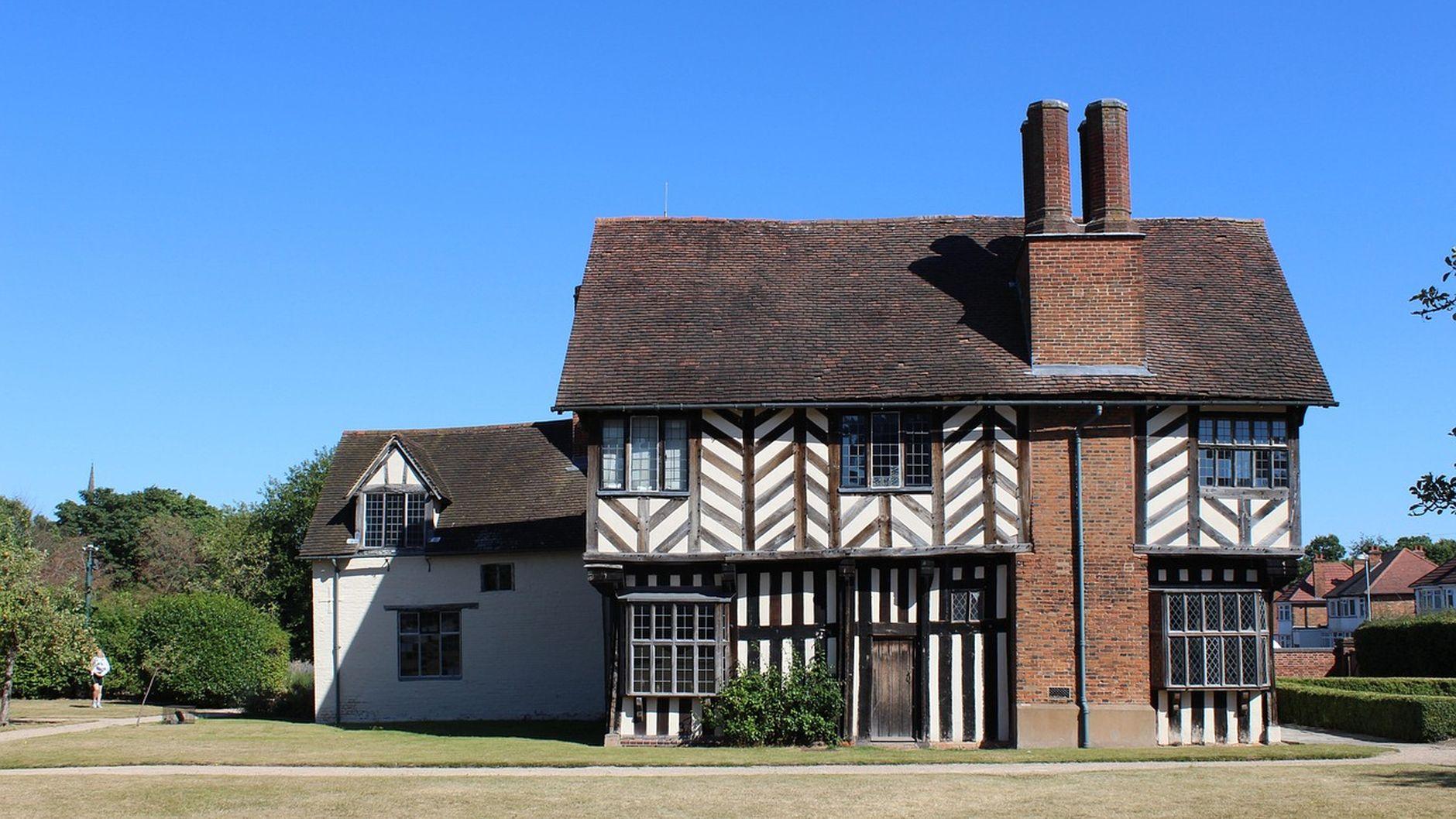
During shaking, a wood framed house bends and gives. A brick chimney does neither; it is a tall, narrow weight standing on a small footing. Where the two meet, at the roofline and at each floor, the masonry gets shoved sideways again and again. The part above the roof acts like a lever. Joints near the roof crack first, clay tile inside can split along its length, and whatever ties once held the chimney to the framing pull out of the wood.
Little of that shows from the ground. A stack can look straight and still hide a split tile behind the brick face. That is why every recommendation we make starts with a Level 2 inspection.
The options, plainly
Bracing. Steel angles bolted around the upper brick and tied back to rafters or joists, which holds the top still when the house sways. Suits a chimney whose brick and mortar are sound and whose flue is whole.
Straps and ties. Steel bands around the masonry, fastened into the floor and ceiling framing where chimney and house meet. They make the stack move with the building rather than against it. Often paired with bracing above the roof.
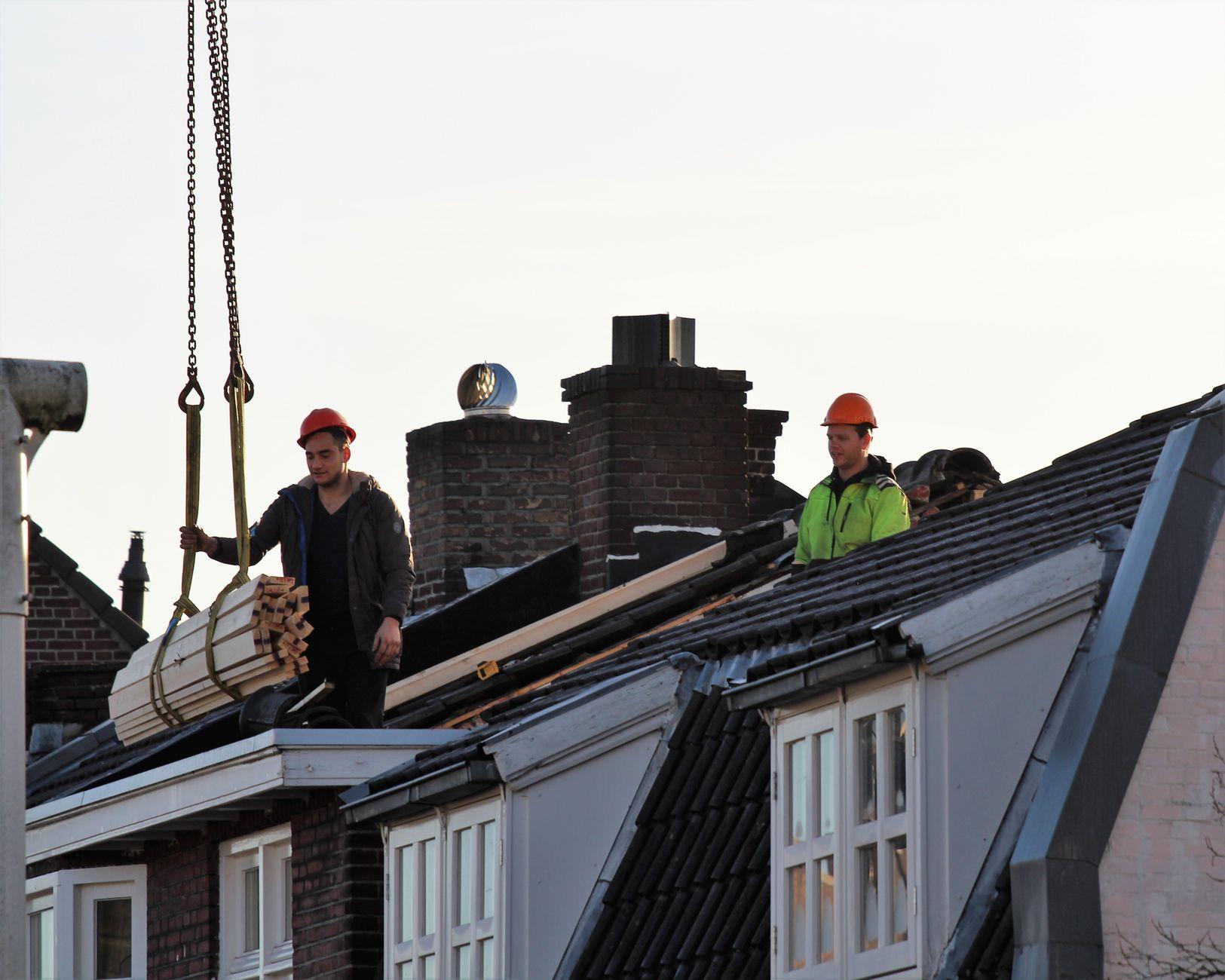
Rebuild to the roofline. The part above the roof comes down and goes back up in new mortar, usually with steel inside, under a new crown. Suits a chimney that is sound below the roof but cracked, loose or tipping above it.
Deeper rebuild. The stack comes down further, into the attic or to the firebox, and goes back up new. Suits a chimney where the camera finds damage well below the roof.
Lowering and closing. Where the fireplace no longer gets used, some owners take the stack down below the roof and seal it. That removes the weight that does the damage but ends wood burning in that fireplace.
How we choose between them
Three facts decide it: the state of the mortar, whether the tiles are whole, and whether the chimney has already moved. Our rough reasoning goes like this:
- Mortar firm, tiles whole, no lean: bracing or straps are worth doing and cost less than masonry work.
- Mortar soft or open near the top, tiles whole lower down: rebuild the top, then consider a brace on the new work if the stack is tall.
- Tiles split deep in the flue: a deeper rebuild or a new liner inside the old masonry, depending on the brick around it.
- Stack visibly tipped or gapped from the wall: masonry first. Steel fastened to failing brick only holds loose pieces together for a while.
What sets the price of each
Bracing and strapping depend on the height of the stack, the roof covering and how easy the framing is to reach from the attic. Rebuilds depend mostly on depth: every extra course down adds brick, mortar, hauling and time. None of these has a published figure on our site, because the chimney itself sets the scope. What we do publish is the camera visit that comes first, a Level 2 at $400. A cap often rides along; it is quoted after we measure, and the number of flues and the metal set its price.
Once the camera has run, we write one scope for the option we recommend and, where two are reasonable, a second for the alternative so you can lay them side by side. To get that comparison for your own chimney, use the quote form and tell us whether the stack has moved, where any crack shows and whether you still burn wood in that fireplace. Those three answers shape which options we price.
Questions owners put to us
Is bracing a substitute for a rebuild? No. It holds a sound chimney still. It does not mend split tile or soft mortar.
Does a rebuilt chimney need bracing too? Not always. A short new stack with steel laid into it often needs nothing more. A tall one on an exposed roof may get a brace as well.
Can I wait until after the next shake? You can, but a chimney that fails in a quake usually comes down onto the roof, the yard or the side path next door. Waiting saves money only if nothing moves.
Does bracing show up in a home sale? Yes. Steel on the stack is visible from the roof and the attic, and the scope we leave behind records what went in, which answers a buyer's inspector when the question comes up.
Will a rebuild make the fireplace usable again? If the flue below is sound or relined, yes. The written scope says so either way.
Placentia houses and the shakes they have seen
Much of the housing in Placentia, Yorba Linda and the north end of Anaheim dates from decades when brick chimneys went up with little or no steel inside. The 1987 Whittier Narrows quake and the 2014 La Habra quake were both felt across this area, and smaller shakes are felt from time to time. Each one works the same joints a little looser. Our seismic retrofit and rebuild service pages describe the work in more detail, and our rebuild pricing post covers what moves the number on a rebuild.
From here
The contact page is how your chimney gets on our list. Give us the address and what got you asking, and we will arrange the camera visit that settles the brace or rebuild question for your house.
Seen Something Like This at Home?
Cordell Chimney Works works from Placentia on cracked flues, loose stacks, worn mortar and rebuilds. Use the contact form to describe where the damage is.